1 in 2
women over 50 will break a bone because of osteoporosis
Royal Osteoporosis Society
Women come to me because of persistent lower back ache, grumbling hips and energy that's gone by lunchtime.
Others just have a nagging sense of "is this it?" They can't quite put their finger on anything but they're just not firing on all cylinders, and it hardly seems worth bothering the doctor about.
Either way, the result tends to be the same. You move less, because there's no energy left, because it hurts and you don't want to make it worse, or because you've no idea what you should be doing.
One of the things that suffers, usually without anyone noticing, is your bones.
In one hour together we look at your strength, your balance, your bones and the life you want them for.
You leave feeling clearer and back in charge of your own body, with your three priorities in order and a first step you can take this week, or as soon as tomorrow morning, simple enough to keep doing and noticeable within a few days.
We notice our backs, our hips and our energy because they complain. Bones change without making a sound, so they're the easiest part of the body to leave out of the plan, right up until one breaks.
women over 50 will break a bone because of osteoporosis
Royal Osteoporosis Society
of bone density can be lost in the five to seven years after menopause
NHS
someone in the UK breaks a bone because of osteoporosis
Royal Osteoporosis Society
The encouraging part is that bones can still respond to the right kind of work, and so can the muscles that keep you on your feet. That's why I'd much rather we looked at yours before a scan or a fall does it for us.
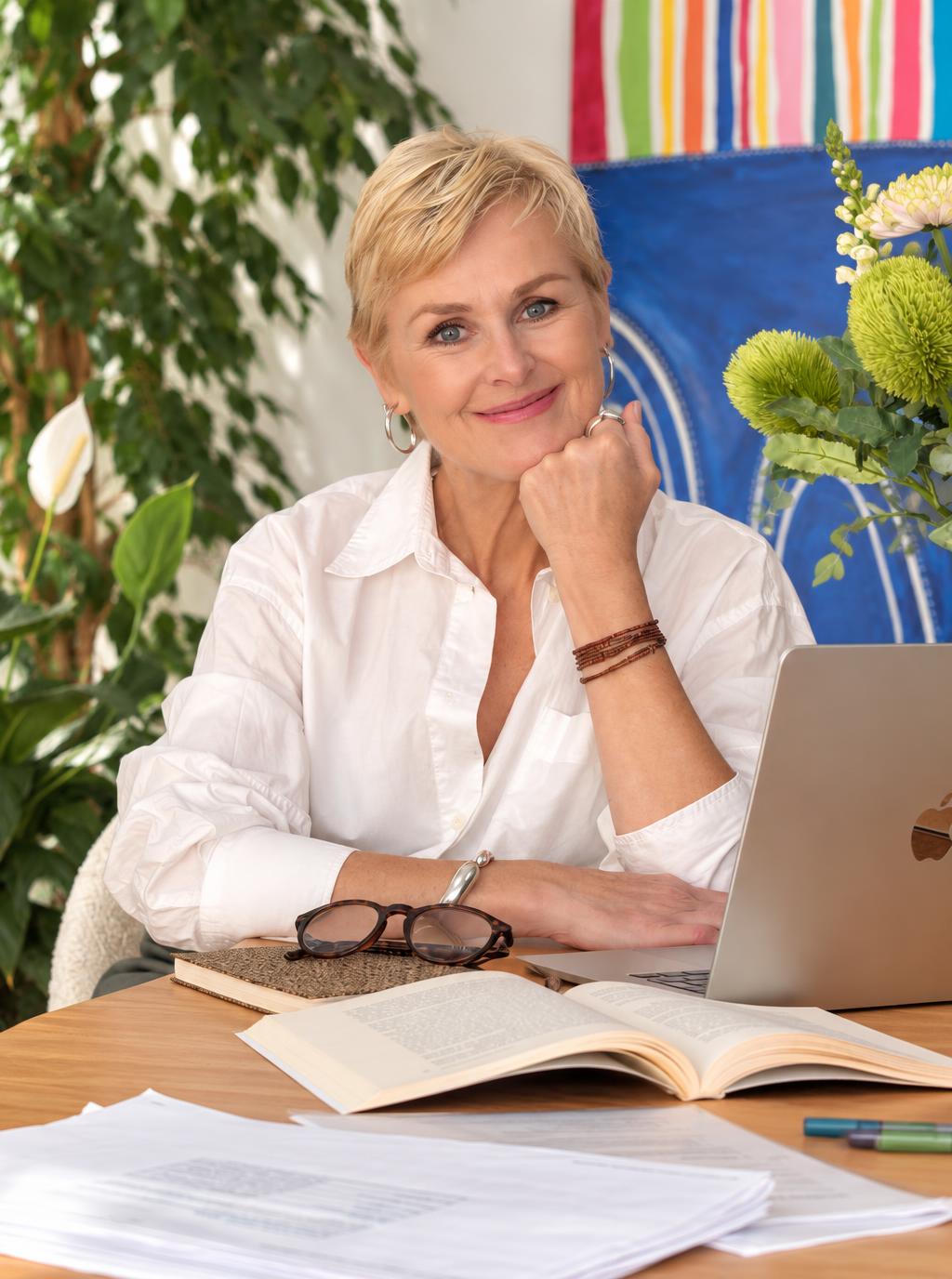
I was diagnosed with osteopenia at 40, shortly after having my daughter and going straight into early menopause. At 60, whilst teaching Pilates, walking regularly and eating well, a DEXA scan told me I had osteoporosis.
One day I was happily walking on the moors and riding my moped. The next, I was frightened of anything with the vaguest risk of a trip or a fall, which in Yorkshire rules out most of the outdoors.
It took a stern talking to (from me, to me) before I could see it clearly. My bones hadn't changed overnight, only my understanding of them had, and doing less was only going to leave them, and me, weaker.
So I found out what they needed and changed how I trained.
At my most recent scan, the density in my spine had risen by 4.8%, moving from the osteoporosis range into osteopenia. That's my result rather than a promise of yours.
If a scan result has made you wary of your own body, I know exactly how that feels. And if you haven't had one, I'd love you to find out what your body needs before a scan does the telling.
You've got years ahead of you, and you want to fill them with the things that put a spring in your step. Maybe it's hiking in the Lake District, climbing the Spanish Steps, cycling with your friends or dancing at your niece's wedding.
Your skeleton has a say in whether you'll be doing these things.
What tends to get in the way is a collection of small things, none of them worth an appointment on its own. Together, they add up to a body that isn't quite keeping pace with your plans.
The case still fits. Getting it up there has turned into a team event, with help from the kind man in 14C.
By lunchtime you're reaching for the kettle and the biscuit tin at the same time, and the evening plans have started to look optional.
A glorious afternoon of digging and shifting pots, followed by a morning in which your back submits a formal complaint.
Putting them on standing up has become a balancing act, and you wobble like a Weeble before the second one's on.
It's rolled under the sofa, and getting down on the floor to fish it out comes with the full Rice Krispies soundtrack from your knees.
You still want the walking holiday. You've just started checking the gradient before you book, and wondering whether the big trips are behind you.
You straighten up for the second photo and wonder when you started needing to.
You've watched your mum, an aunt or a friend gradually stop doing the things she loved, and it's made you think.
Osteopenia. Osteoporosis. Nothing in your body changed the day that letter arrived, and yet everything about how you think about it did.
Bone loss makes no noise either, and strength, balance and bone all respond to the right work. That makes now, before there's anything to take to a doctor, the easiest time to start.
Every chapter of your life has added something to the story your bones are carrying.
Different people looked after different parts of it over the years, a GP here, a consultant there, a slimming club for longer than any of us would like to admit, and most of them never mentioned how what you were prescribed, what you cut out or what you were doing (or not doing) might be affecting your bones.
The current chapter counts too. When pain, tiredness or a stressful few years mean you're moving less, sleeping badly and eating whatever's quickest, your bones get less of the loading and fewer of the building materials they need to stay strong.
Early menopause, long spells without periods or hormone-suppressing treatment.
A parent who broke a hip, lost height or was diagnosed with osteoporosis. Three in four people don't realise a parent's broken hip raises their own risk.
Years of dieting or under-eating, or a condition that affects how you absorb nutrients.
Long-term oral steroids and some cancer treatments.
Years of activity you love that never asked very much of your bones.
Pain, tiredness and stress that slowly shrank how much you move.
Some of it recovers on its own and some of it doesn't, and the part that doesn't is the part nobody measured. Your history shapes the plan. It doesn't decide how the story ends.
These are conversation starters rather than a risk score. Never stop or change a prescribed medicine without talking to whoever prescribed it.
You walk, you go to Pilates, you've seen the physio about your back and your supplement cupboard now needs its own stock-control department.
Add the exercises saved from Instagram, a video someone sent you and three things your best friend swears by, and you've got plenty of good pieces with nobody deciding how they fit together.
Brilliant for the problem in front of them. Once it settles, someone still needs to build the strength that stops it coming back.
Wonderful for control, mobility and body awareness. Bones need progressively heavier loading than most mixed-ability classes are designed to give.
Great for your heart, your head and your stamina. A flat stroll and a brisk hill walk with a rucksack send your bones very different messages.
Food and medication supply the building materials. Movement provides the signal, and bones need both.
Lift heavier. Don't lift too heavy. Stretch more. Stop stretching. It's a wonder any of us find time to put the bins out.
You've always been someone who gets on with it, which is admirable right up until it earns you a flare-up and a fortnight on the sofa.
Your bones, muscles, balance and recovery all affect one another, so the order you do things in matters as much as what you do. Get the order right and the effort you're already putting in starts to pay you back.
One has had a vertebral fracture and is nervous about bending to load the dishwasher. The other is pain-free, already lifting weights and hasn't been given a new challenge in five years. Hand them the same programme and it helps neither of them very much.
Three things decide what's right for you.
Your history, any pain, your confidence, how you move and how strong you are today.
How much load, impact, range and speed your body is ready for.
What changes as your body adapts, and when.
Good information tells you what matters. This hour works out which of those things matters first for you.
We save for decades so we can afford the retirement we want, and give remarkably little thought to whether our legs, lungs and bones will be up to enjoying it.
The "is this it?" feeling has a habit of turning up just as there's finally time for the things you've been putting off, which is exactly when you want a body that's ready for them.
You feel flat, you're fed up with the twinges and niggles, and time for yourself is last on the list again. You know you should be doing something, and what, or in what order, feels hopelessly vague.
You've stopped booking the walking holidays, you take the lift without thinking, and "I'll wait in the café" has become a regular line.
Other people have started deciding what's sensible for you, and you've started letting them.
You know exactly what to work on first, and you've already started. It fits into the week you've got, and "I ought to be doing something" has become "I'm doing this."
You're carrying your own case up the station steps, gardening all afternoon and still up for supper with friends in the evening.
You're still the one who books the trip, picks the route and gets there under your own steam.
Bone density decides whether a bone breaks when you fall. Strength and balance decide how often you fall. I work on both, starting with the life you want your body for.
The answer to feeling stronger is rarely just more: more squats, another class, a heavier set of weights. Sometimes extra challenge is exactly right.
If your body is bracing against pain, compensating through your back or struggling to recover, it needs a different first step, and I use the same three stages that sit behind The Vitality Blueprint™ to work out which one.
Sleep, stress, pain and recovery shape how you move, how well you adapt and how much energy you have left by lunchtime. We look at what's supporting you and what's working against you, and I promise I won't suggest moving to a desert island.
Your feet, hips, spine and shoulders share the load between them, and when one isn't pulling its weight another picks up the slack, usually your lower back. We look at how you move so strength has something solid to be built on.
Muscles and bones adapt to challenge that keeps progressing.
This stage follows the Strong, Steady and Straight principles from the UK consensus statement on exercise for osteoporosis, developed with the Royal Osteoporosis Society: strength and bone loading, balance and quick reactions, and a back that can bend, lift and carry with confidence.
The right challenge, at the right level, in the right order. Your skeleton has been doing the same job for years and would quite like to hear about the promotion prospects.
Each part of the hour has a job, and each one gives you something to take away.
Talk about what you'd love to be doing in five years' time. The walking trip, a whole day in the garden, keeping up with friends on the hills, or the thing you've stopped doing and miss.
A reason that's yours, because "I should get fitter" has never got anyone out of the door on a wet Tuesday.
Go through your health history, your bones, your energy, your sleep, any aches and pains, and the vague things you'd never take to a GP. Bring your DEXA report if you have one (the full report rather than the summary letter, if you can get it).
Someone finally joining up the dots, so the back ache, the tiredness and the scan result start to make sense together.
Look at how your strength, balance, bones and recovery are affecting each other, what your current routine is doing well and where it's leaving gaps.
A clear explanation of why all your effort hasn't shifted things yet, so you can stop blaming yourself and start putting that effort where it counts.
Agree your three priorities, the order to tackle them and what to leave alone for now, then choose the first step you'll take this week, or as soon as tomorrow morning.
A starting point you can trust, built around your body and the week you've got.
You won't leave with another long list to feel guilty about. You'll leave knowing exactly what to do on Monday.
By the end of the hour you'll understand your body better than you have in years, and you'll know what to do about it.
What's behind the back ache, the flat energy or the "not quite right" feeling, and how it links to your strength, your balance and your bones.
Whether you need more loading, more impact, better foundations first or a conversation with your GP, and how your history and any scan results fit in.
Your three priorities in order, what you can stop worrying about for now, and a first step you can take this week, or as soon as tomorrow morning, simple enough to keep doing and chosen so you notice the difference within a few days.
Within two working days, your written Strong Body, Strong Bones Plan arrives in your inbox: your priorities, your first moves, everything we covered and, where they'll help, exercise videos picked for your body.
Clear enough to act on, so it won't end up forgotten in an email folder. Let's face it, would you rather have more information or results?
Back in the saddle after being told she'd never ride again. Twelve days of walking abroad. Hills with a full pack on her back. The part of this work I love most is hearing what women do with their strength once they've got it.
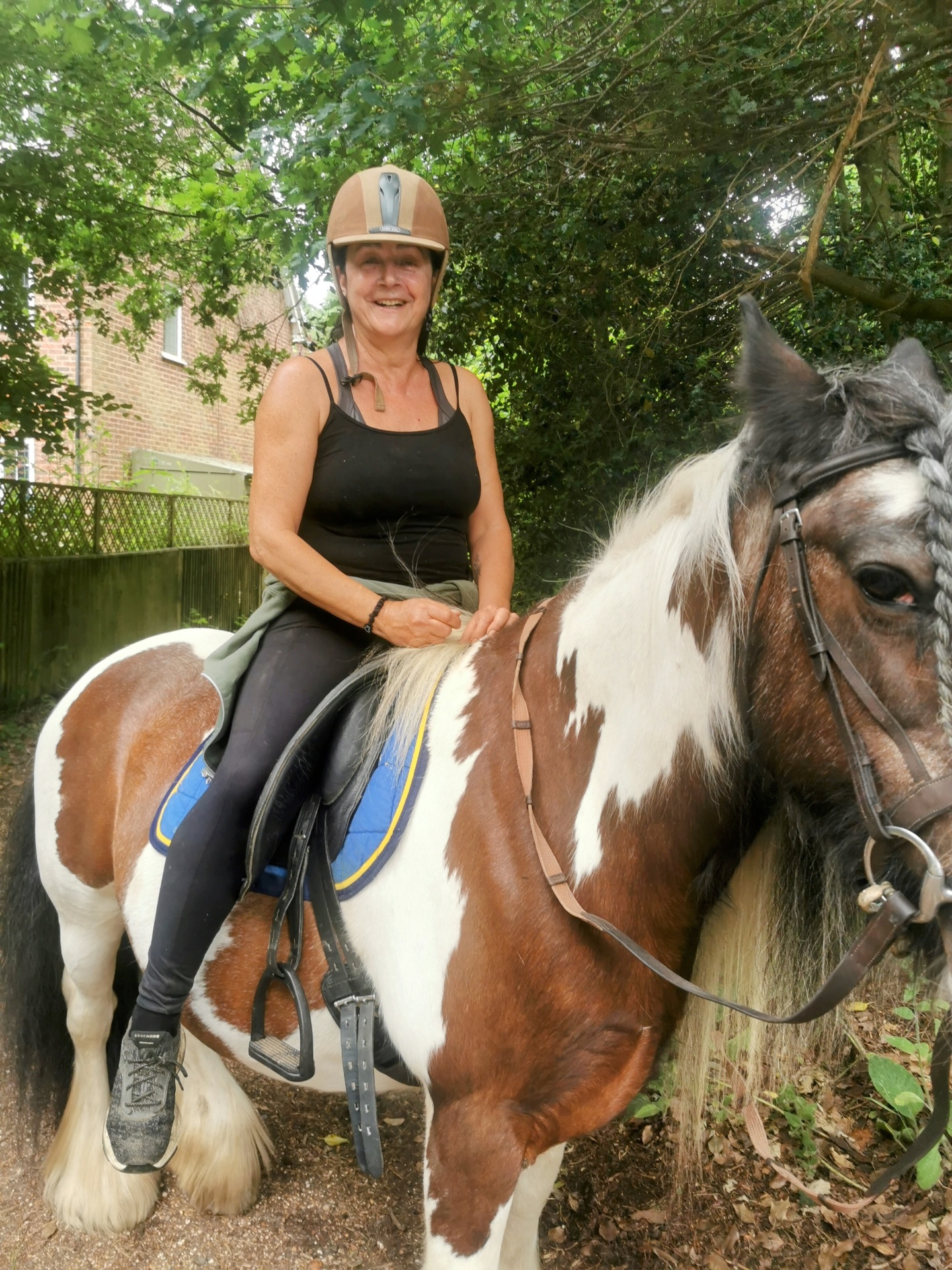
Small daily sessions changed everything. I have just taken up riding horses again, even though the experts said that would never happen, and I just bought a new horse with a friend of mine, so we go riding together… I'm loving it.
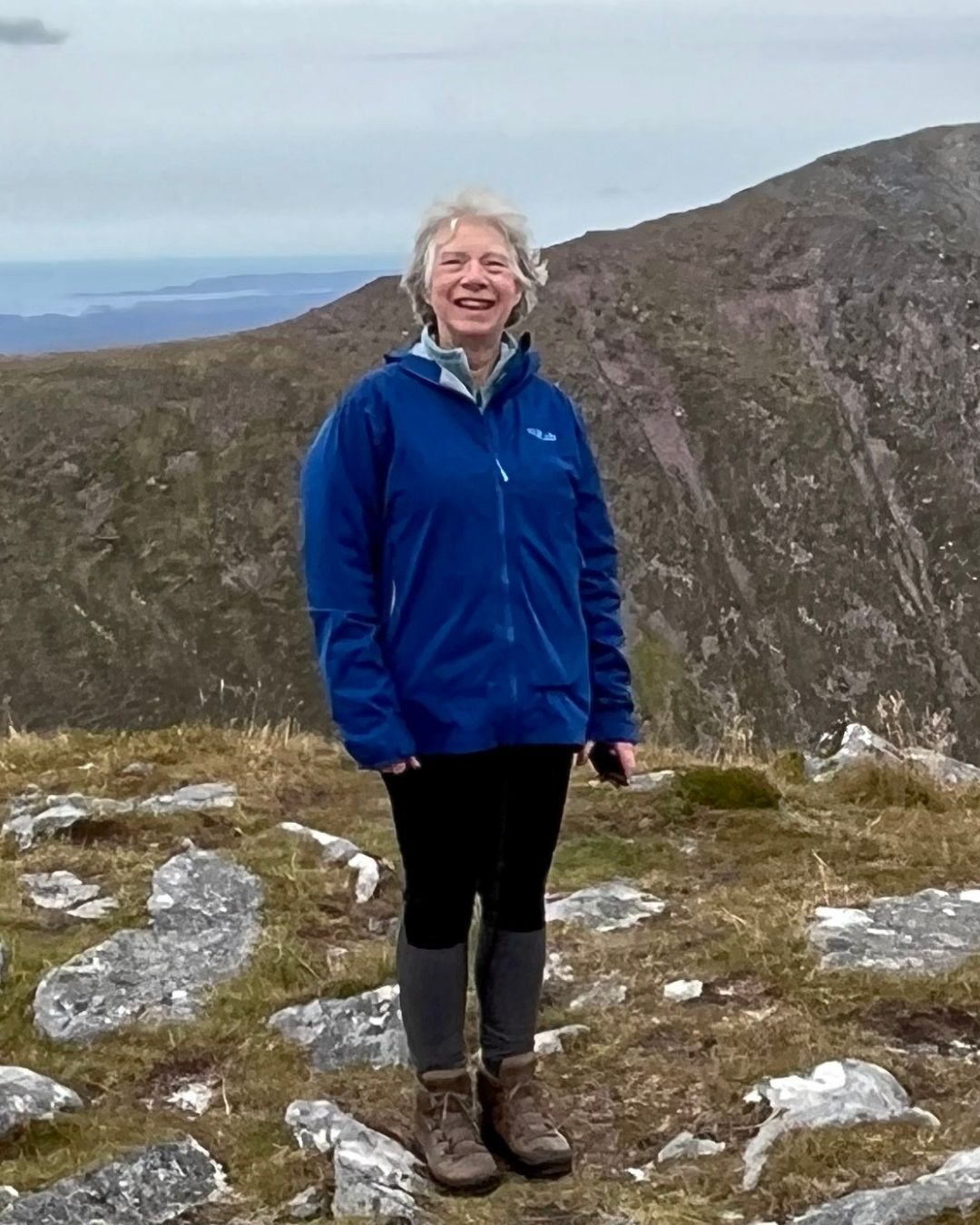
On walks I knew I was operating at my limit - and not being that kind to my body. Now I carry my back pack for several miles without my back complaining. I can walk uphill further. I'm more flexible. Some of my peers tick me off for showing off at stiles.
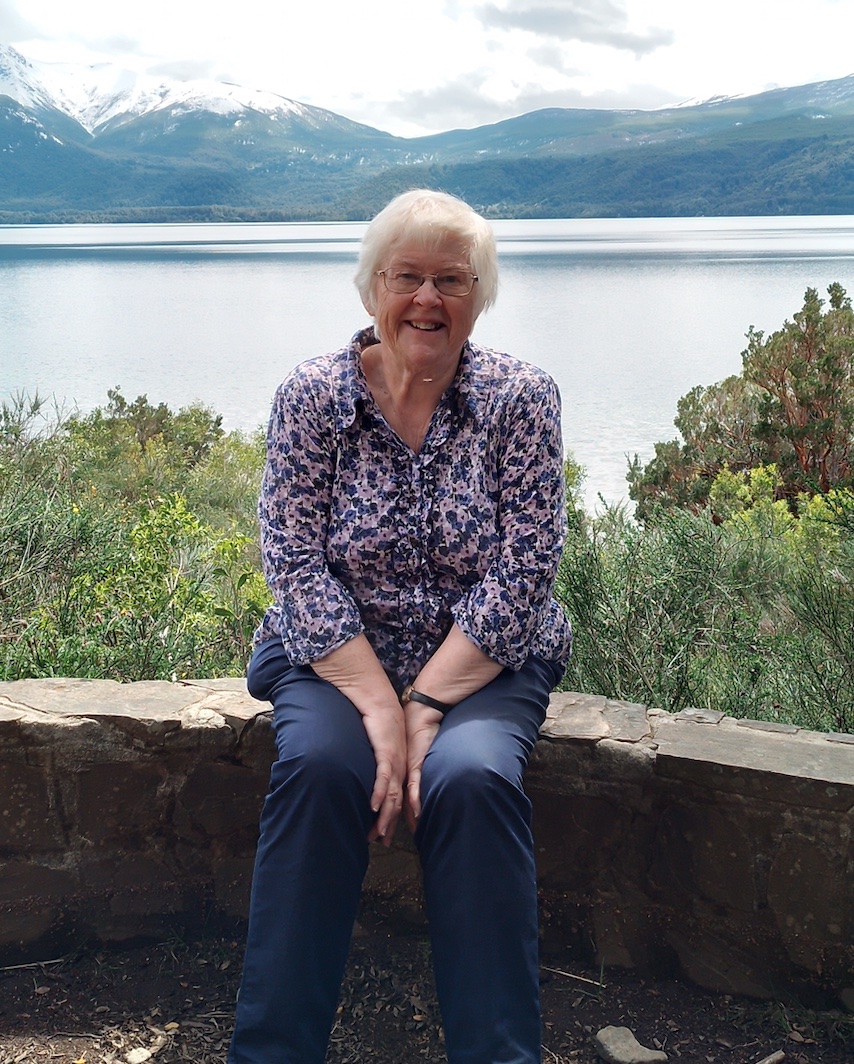
Before this programme, I couldn't stand without leaning on something and then only for a very short time. I was in great pain despite having had 3 cortisone injections and physio.
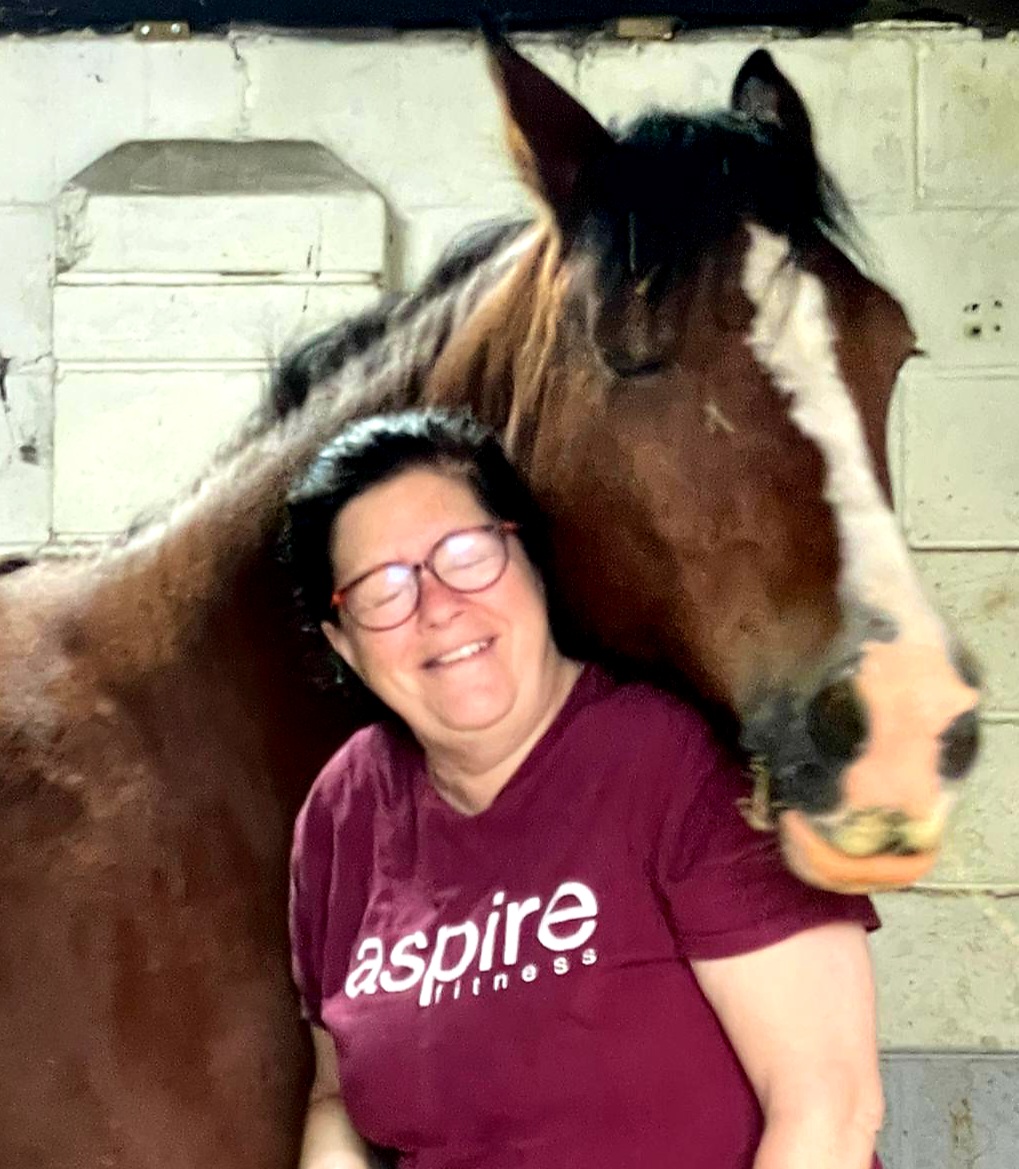
I've learned so much about my body — how it works, supports me, and can heal itself.
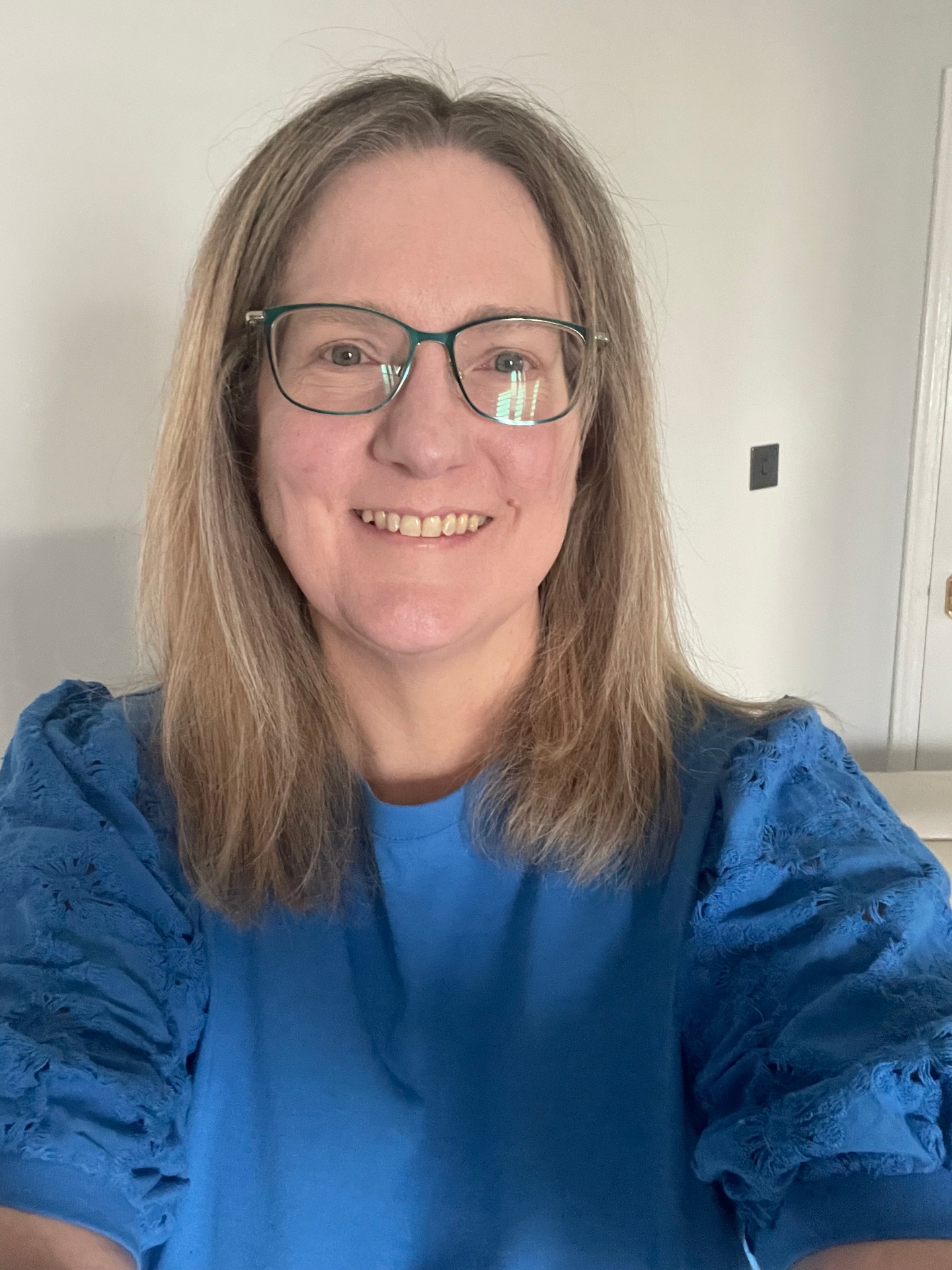
I had tried different programmes for years and was only getting heavier and stiffer as time went by.
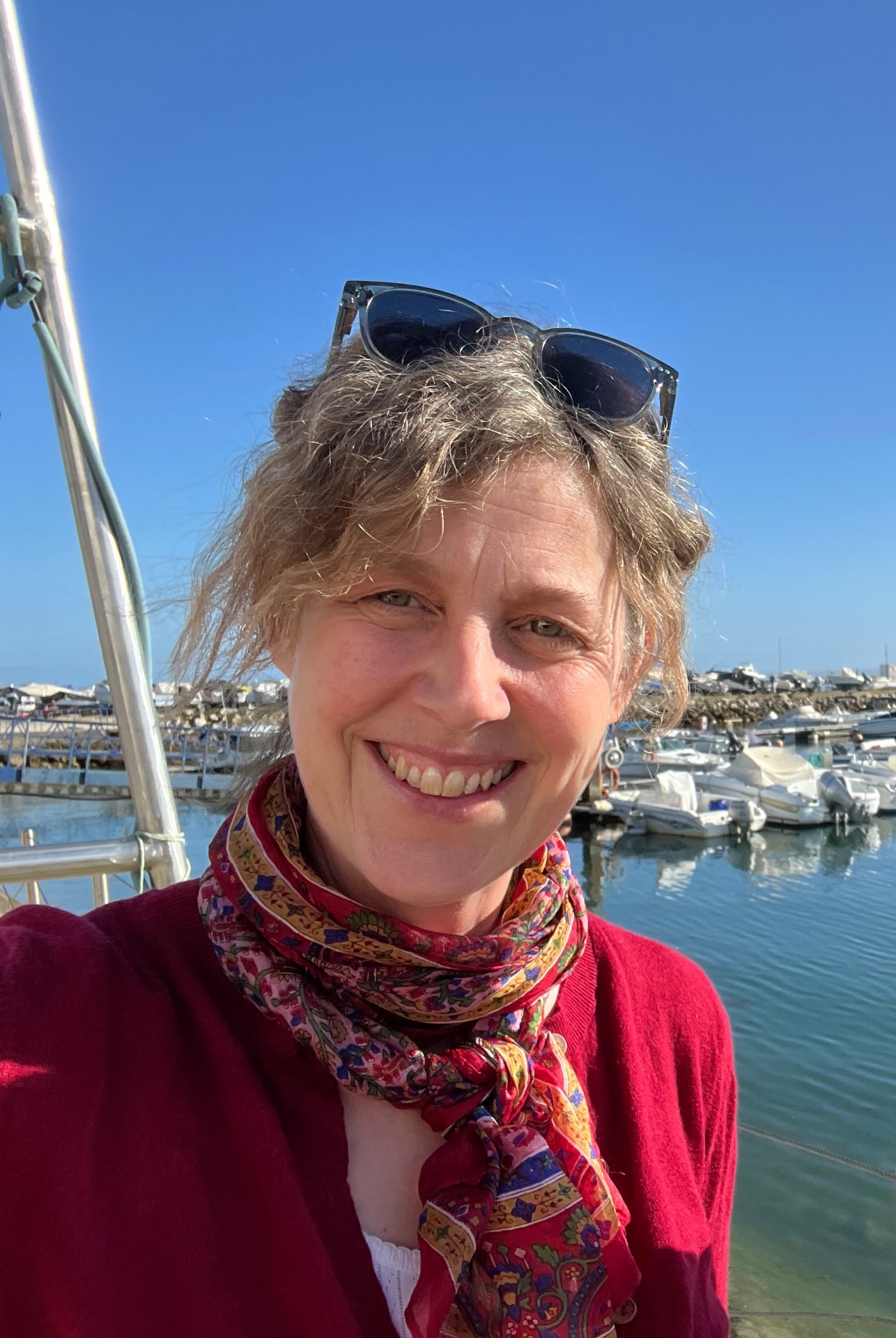
From day one, something shifted. I felt different straight away, and that's absolutely wonderful.
These stories come from my wider coaching work, including The Vitality Blueprint™. Everyone's body and results are their own.
You don't need to be fit, sporty or experienced, and you don't need a symptom worth a doctor's appointment. You just need to be curious about what your body could do with the right plan.
Includes
Join The Vitality Blueprint™ within 14 days of your session and the full £95 comes off the programme fee.
There's nothing to prepare beyond your scan report, if you have one.
This is coaching, and it sits alongside your GP and any medical care.
Everything you share stays confidential, in line with my Privacy Policy.
Very much so. Plenty of the women I work with start with nothing more than a sense that they're not quite themselves, and bones are the perfect example of why that matters, because you can't feel them changing either.
Starting before there's a problem is the easiest place to start from.
Muscle, balance and bone can keep responding to the right challenge at every stage of life, although every body and medical history is different. Your starting point shapes where we begin, and it doesn't set the ceiling.
Yes. We take account of your diagnosis, fracture history, medication and any advice you've been given, and look at how strength, balance and bone-loading work can fit into your wider bone-health plan.
If you've had a vertebral or other fragility fracture, some activities need individual clinical guidance first, and I'll tell you which.
The Live Lounge sends you away with three questions: what your body is asking for, what your routine is missing and what to do first. This hour answers all three for you, with your history, your scan results and your week in front of us.
If you have the Toolkit, bring your starting-point map and we'll get to the good part faster.
Enter your code when you book and it comes off the £95. Each voucher has an expiry date, so check yours before you book.
The Clarity Call is 15 minutes to see whether The Vitality Blueprint™ is right for you. The Plan is a full working hour on your own body, and you keep your priorities, your first step and your written Plan whatever you decide next.
No. You might be walking ten miles at the weekend, or hoping that getting up off the floor could involve fewer logistical arrangements. We start with the body you've got today.
We meet on Zoom for 60 minutes. You'll leave with your three priorities and your first step, and your written Plan, with exercise videos where they'll help, follows within two working days.
Yes, and it's designed to be useful on its own. If you'd like ongoing support afterwards, we can talk about The Vitality Blueprint™, and if you join within 14 days the full £95 comes off the programme fee.
If I think it would help you, I'll say so once. If I don't think it's right for you, I'll tell you that too. Either way, the hour is about your body and your next steps.
Yes. Sessions run on Zoom wherever you are, and the price is in pounds sterling.
You'll see available times as soon as you follow the booking link.
You can reschedule or cancel free of charge up to 24 hours before your session. Cancellations within 24 hours may not be refunded. Full terms come with your booking confirmation.
There are hills to climb, cities to wander and the odd enormous suitcase to wrestle into an overhead locker, and the last thing you need is a body that negotiates the terms and conditions every time you ask it to do something.
One hour, three priorities and a first step you can take this week.